

*Information was confirmed and partially updated on February 20, 2026.*
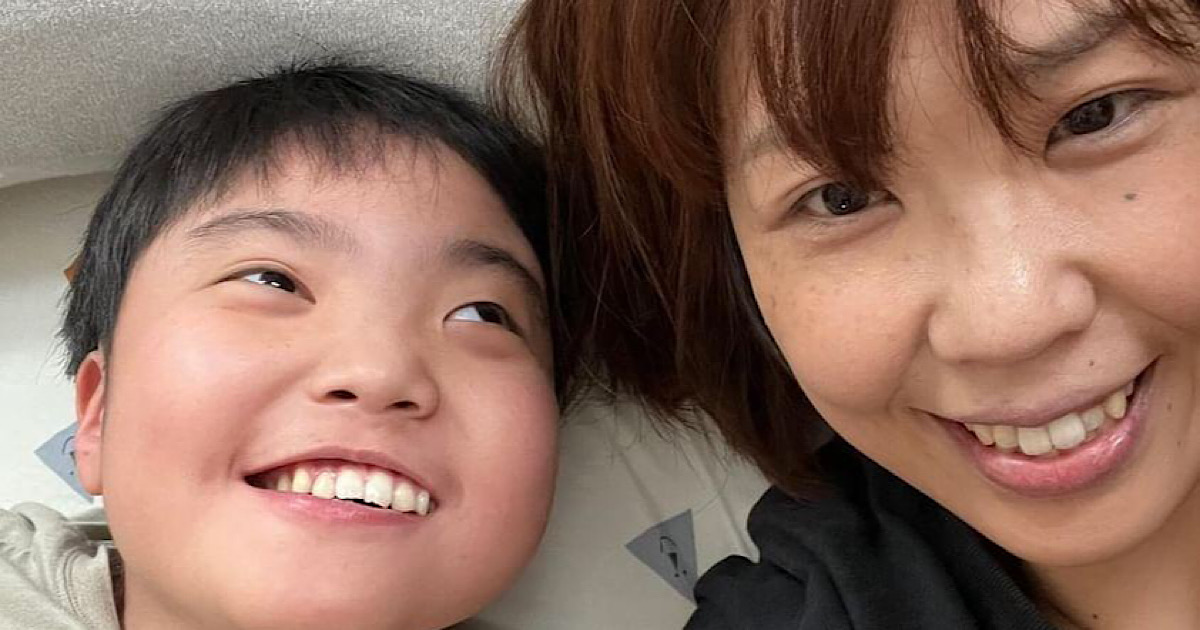
This time, we spoke withYuko Yamashita (Soh-kun's mom), the representative of the peer support group "Care Mami" based in Saga City, Saga Prefecture.
Soh-kun lives with physical disabilities due to the aftereffects of a brain hemorrhage that occurred before he was born, and he usually gets around using a buggy (a mobility aid classified as a type of wheelchair).
Soh-kun, who has been diagnosed with total blindness, West syndrome (infantile spasms), and autism, is a child with severe physical and mental disabilities. His mother, Soh-kun's mom, lives with him.
Driven by the desire to "reach out to families in similar situations," she engages in a wide range of activities, including sharing information on social media platforms like Instagram and YouTube, and selling support tools aimed at families raising children with severe disabilities.
We asked Soh-kun's mom about raising a child with severe physical and mental disabilities and her thoughts on the activities of "Care Mami."
1. Who is Soh-kun's mom?
1-1. Found out during the 8th month of pregnancy that the child would be born with disabilities
[Interviewer (Writer): Yafuso / Interviewee: Soh-kun's mom]
Yafuso: I heard you had experience working at a facility for people with disabilities before Soh-kun was born. Were you originally interested in the field of disability welfare?
Soh-kun's mom: I was attending a vocational school to obtain a qualification as a care worker. During that time, I had the opportunity to do an internship at a residential facility for people with intellectual disabilities to prepare for the national exam.
The people I met there were so genuine and wonderful. I was drawn to their purity and thought, "I want to be involved," so I started working as a care worker.
At the facility, I assisted people with severe disabilities with bathing and eating. Even though there was little verbal communication, I think I was able to enjoy my work.
Yafuso: You have experience interacting with people with disabilities through your work, but how did you feel when you found out about your own child's disability?
Soh-kun's mom: I had bleeding during the 7th month of pregnancy and was hospitalized for management. Around the 8th month, a routine ultrasound revealed that there was a brain hemorrhage and that a disability would remain.
For about three months until the birth, I was very emotionally unstable. Since I was hospitalized the whole time, I had my mother and husband stay with me whenever possible.
When it comes to your own child being disabled, it's different from work because you become the person involved, so it was quite difficult to accept.
I thought, "Maybe I can't raise a child with disabilities." I realized I had some kind of discriminatory mindset within myself, which was also very shocking.
Yafuso: How did you feel when Soh-kun was born?
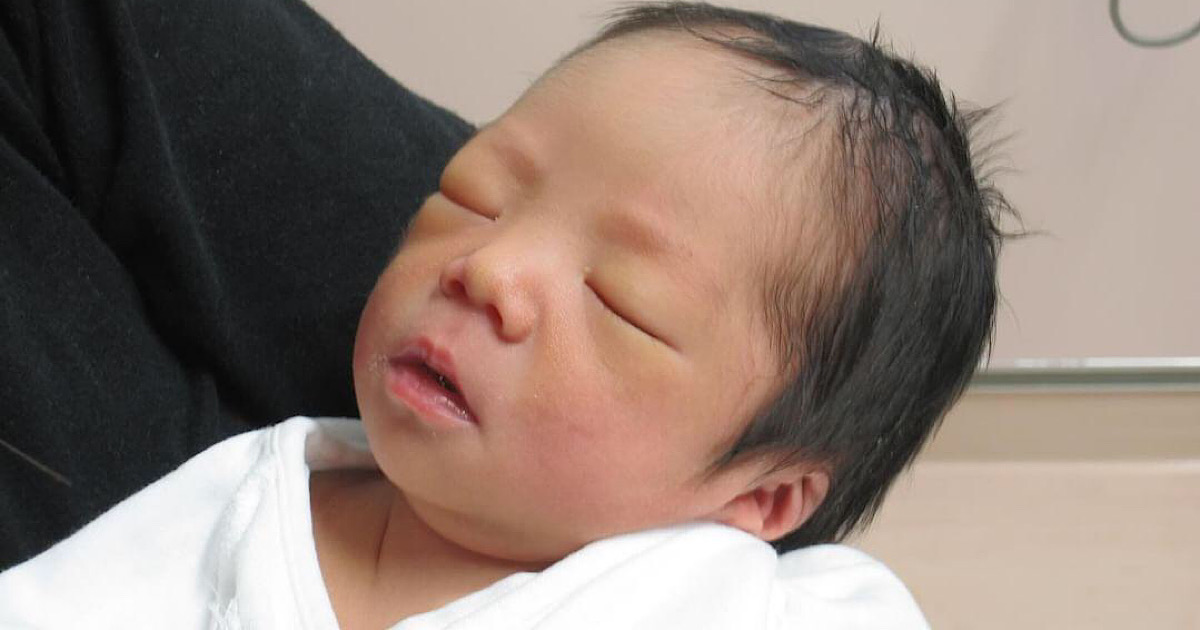
Soh-kun's mom: I had a cesarean section and had to rest for a while, so I met Soh-kun on the third day after giving birth. When I went to the NICU and saw his face, I was surprised. He was so cute and looked just like my husband (laughs).
Yafuso: You mentioned realizing your own discriminatory mindset, but how did you and your family react to finding him cute?
Soh-kun's mom: I had heard "your own child is cute," and it really was true. My husband was able to see Soh-kun's face first in the NICU and was delighted, saying, "He looks just like me!"
My parents, my husband's parents, and my sister were waiting outside the operating room, and they all thought he looked exactly like my husband.
1-2. Still struggling with accepting my child's disability
Yafuso: What kind of struggles and emotional changes did you experience in accepting Soh-kun's disability?
Soh-kun's mom: I often talk with others about this, but if you ask whether I've accepted the disability, there are still feelings of not being able to accept it.
When I see healthy children, I think, "I wish Soh-kun could have been born healthy," so I wonder if I've really accepted it.
Yafuso: I feel like I asked too easily about "accepting the disability," and I appreciate your honesty.
Soh-kun's mom: I think moms who say, "I'm okay now," might not have really overcome it.
In the circle I run, I've heard from senior moms whose children are adults but still haven't accepted it.
I still wonder if I've accepted Soh-kun's disability.
2. Soh-kun's growth and the support around me have sustained me
2-1. Support from a child development support facility
Yafuso: Since Soh-kun was born, what support have you found beneficial?
Soh-kun's mom: Starting to attend a child development support facility was quite significant. From ages 1 to 3, mother-child attendance was required, and as he got older, the facility increased the number of days they could take care of him alone.
During the mother-child attendance period, we went about five times a week. The caregivers were there, so we sang songs, did origami, and engaged in physical play.
From ages 5 to 8, Soh-kun went through a very challenging period where he cried and screamed at night and didn't sleep, living on a schedule of two hours of sleep followed by one hour awake. My husband would come home from night shifts around 3 a.m. and watch Soh-kun while I slept.
Yafuso: That sounds incredibly tough. I would think staying home during the day would allow you to rest more, but was there a reason for attending five days a week?
Soh-kun's mom: Soh-kun couldn't stay home all the time. So if he didn't sleep at night, we would drive around. We only had a little time at home on Sundays.
Yafuso: Soh-kun wanted to go out, didn't he?
Soh-kun's mom: Even when he was crying, if I asked, "Do you want to go for a drive?" he would stop crying. I think it was more of a preference or perhaps a characteristic of his autism.
The child development support facility we attended sometimes had about 20 parent-child pairs eating lunch together. Connecting with other moms there was the most significant thing for me.
2-2. Adjustments for the characteristics of autism spectrum disorder
Yafuso: You mentioned that characteristics of autism spectrum disorder were noticeable even before the diagnosis. What adjustments have you made in living with Soh-kun?
Soh-kun's mom: Soh-kun was diagnosed with autism in the second grade.
One time, I submitted instructions for dealing with epileptic seizures to the school, and when I got the epilepsy diagnosis from the hospital, at the end of the diagnosis, it said "autism spectrum disorder."
Yafuso: It must have been surprising to see it written in the diagnosis.
Soh-kun's mom: It was surprising (laughs). That was the first time he was diagnosed with autism, so I thought, "Is there a way to adjust to his characteristics?" and started researching by getting reference books.
At the facility where I worked, we also did visual support, so I thought, "Even though Soh-kun can't see, we need to do what's necessary." I started a routine of using symbols to help Soh-kun understand his daily schedule.
Yafuso: I watched your YouTube videos and was impressed by how he understands the symbols. How did you establish this routine?
Soh-kun's mom: I decided on the "school" symbol as a handbell without much thought. We attached a bell to Soh-kun's backpack and hung the same bell at the entrance of his classroom to match them.
Soh-kun understands when he hears the sound, so we use sound-based symbols. We also do the same matching of symbols and places at the day service.
Yafuso: So there's a symbol for checking the morning routine, a symbol on the bag, and a symbol at the location?
Soh-kun's mom: Yes. When entering the day service, we have a big handbell ready, and they ring it to let him know "this is the day service." The staff understands this routine.
Yafuso: You coordinate with the school and day service.
2-3. Noticing Soh-kun's growth in daily life
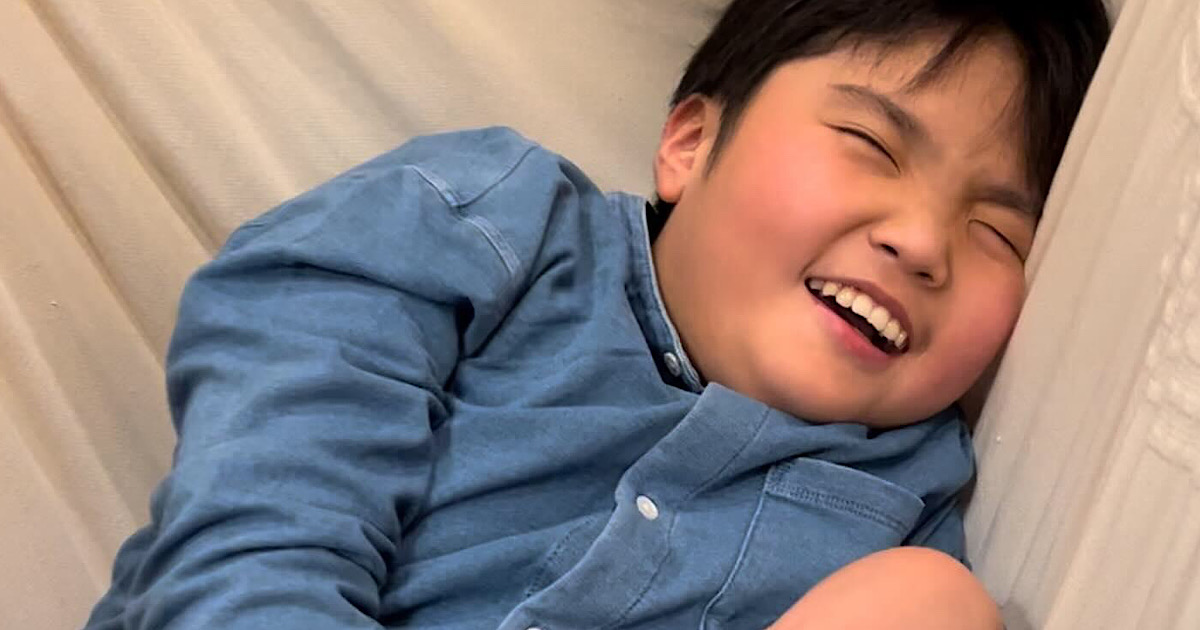
Yafuso: Watching Soh-kun grow, have there been any memorable moments?
Soh-kun's mom: I'm quite the type to try anything, even with routines, but my husband used to think, "Soh-kun doesn't understand that." But we're often surprised by how much he understands and what he can do.
Now he knows left and right well, and when we say, "Raise your right foot," he raises his right foot, and when we say, "Raise your left foot," he raises his left foot, helping with putting on socks.
It's not so much that he suddenly becomes able to do things, but rather, we realize, "Oh, he can do this too."
Yafuso: That's amazing. Is it something that naturally developed over time? Do you get reports from the school about what he can do?
Soh-kun's mom: Yes, there was a time when he was in fifth grade. We thought Soh-kun only listened to nursery rhymes. We thought he only listened to and liked nursery rhymes.
When he entered the special support school, each student was given a tablet, and they used it for learning. The teacher reported, "He was very happy when Aimyon played."
We usually play J-POP music in the car, and we were surprised to find out, "Soh-kun likes Aimyon!"
Yafuso: His interests are expanding as he grows!
3. What Soh-kun has taught me through parenting
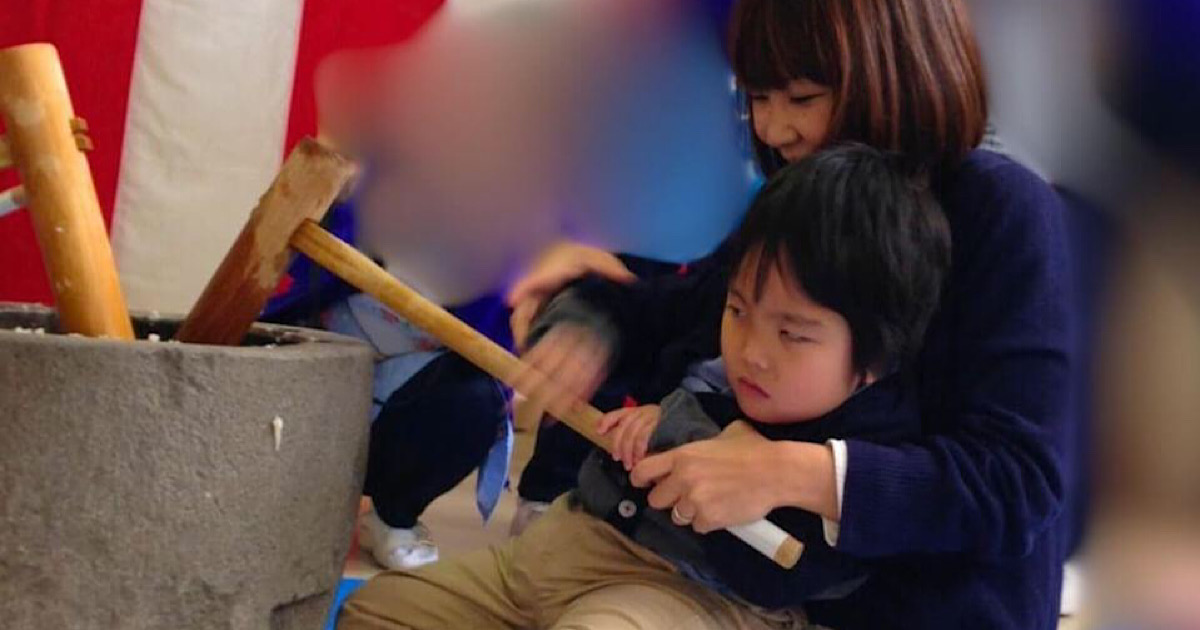
Yafuso: What have you learned from raising Soh-kun, and what do you value in parenting?
Soh-kun's mom: I believe a child's potential is limitless. Things I thought were impossible, he could actually do, so I think it's important to create an environment where they can try things.
In parenting, I try to keep in mind that "a parent's smile is conveyed to the child," so I manage my own mood.
There were times when Soh-kun was very challenging, and my frustration would build up. I learned anger management techniques like counting to six when frustrated and taking deep breaths in another room.
He cried a lot, so there were times when I understood the feelings of moms who might lash out.
When Soh-kun was little, we were almost like one entity. I knew I needed time apart, but raising a child with severe disabilities requires constant attention, so it's easy to become too intertwined, but maintaining a good distance is important.
Yafuso: How is that distance now?
Soh-kun's mom: I think it's really good now. Children with severe disabilities grow, and their music preferences change. Recently, he tells me, "Don't come here," so I keep my distance (laughs).
Yafuso: Does he want to enjoy time alone?
Soh-kun's mom: Yes, he doesn't seek much physical affection. He used to say, "Come here," but now he elbows me away, saying, "Go over there."
Yafuso: Sounds like a typical 13-year-old (laughs).
4. For those with the same feelings: The background and future of establishing "Care Mami"
Yafuso: Could you tell us about the background of establishing "Care Mami"?
Soh-kun's mom: When I started sharing information about barrier-free housing on Instagram, I checked the posts of someone who followed me and found out they lived nearby. They had posted about an event at the same therapy facility, and I thought, "That's the same facility event!" so I reached out.
That person is now the vice-representative of Care Mami.
Yafuso: Wow! What a coincidence!
Soh-kun's mom: They followed me because they were considering a barrier-free home and didn't expect to live nearby.
That mom was attending the child development support facility where Soh-kun and I used to go and said, "Now there are more places that take care of children, so fewer moms want to attend with their children, and even if they do, there's only one other person there."
Yafuso: The number of users at the facility you attended 10 years ago had decreased.
Soh-kun's mom: I thought it was good that there were more options for facilities in the area, but when I heard, "I'm eating alone without talking to anyone," I thought that wasn't good! So I suggested, "How about a tea party?"
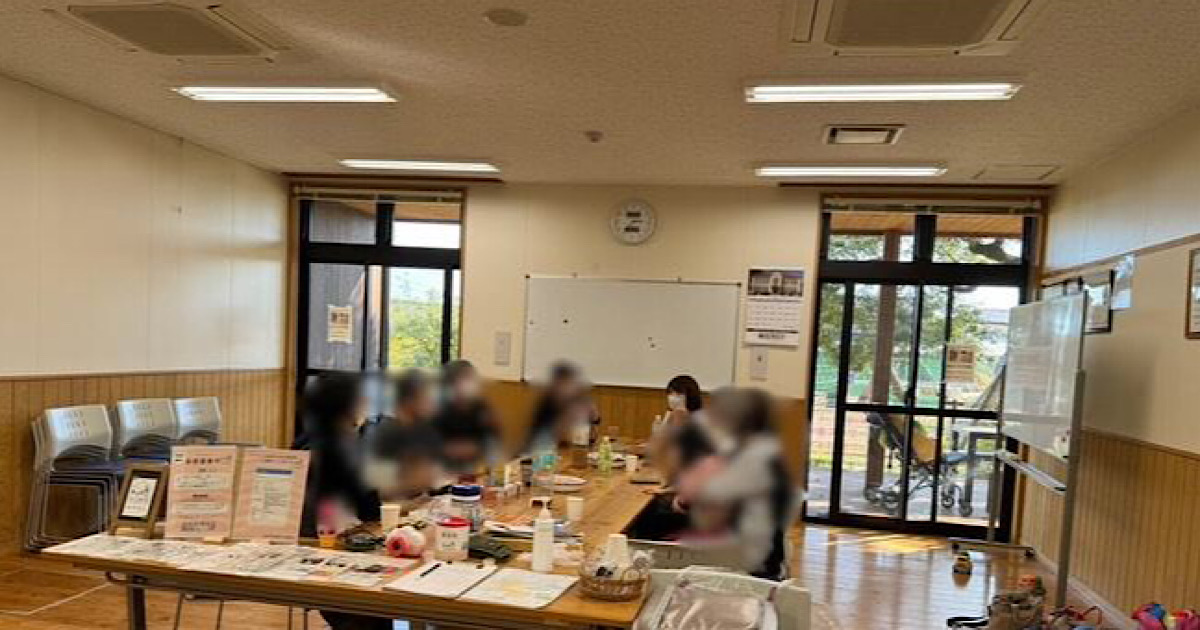
We live about five minutes apart, so we decided to hold it at a nearby community center. I met the vice-representative in January 2023, and we started Care Mami's tea parties in March.
Yafuso: Since then, you've continued with the tea parties twice a month. How many moms are gathering now?
Soh-kun's mom: At the recent Christmas party, about 66 people gathered. People came not only from Saga City but also from other parts of Saga Prefecture and Fukuoka Prefecture.
Yafuso: That's amazing! The circle is expanding quickly.
Soh-kun's mom: It's unexpected and appreciated. Being featured on TV and other media has been significant, and people come as soon as they find out. Many people want connections.
I believe "connecting" is important, but I also realized that even when talking with moms of children the same age, there are many things we don't know.
When I attended the child development support facility, I wanted to hear from senior moms, so I organized gatherings with about 30 moms to hear about school experiences.
I always wanted to run a circle because I wanted that kind of information, but it took a while to get started, and I finally did recently.
Yafuso: Do fathers participate too?
Soh-kun's mom: Yes, of course.
Yafuso: Do fathers also seek connections?
Soh-kun's mom: We held a photo session event in September 2023, and dads participated. Many are not talkative, but there are requests for events specifically for dads since they don't often meet each other.
Yafuso: What drives your activities and provides your energy?
Soh-kun's mom: It's simply the hope that my experiences can help other moms and families in similar situations.
Yafuso: Seeing the connections growing, do you feel that even more?
Soh-kun's mom: Yes, on Instagram and other platforms, followers often say, "Thank you as always," and hearing that makes me feel glad I'm doing this.
5. Words for families with children with disabilities
Yafuso: Finally, what would you like to convey to families raising children with disabilities?
Soh-kun's mom: When Soh-kun was little, I didn't have much time to spare, so my memories of holding him are faint. Now he's grown too big to hold easily, so I hope families can enjoy the time when they can still hold their children.
Also, I was anxious because I had no idea how Soh-kun would grow. I hope that by looking at our Instagram, families can imagine a future like ours and see how we live.
6. In conclusion
In this interview, Soh-kun's mom shared her feelings before Soh-kun was born and the intense experiences afterward. I felt that she has always valued "facing Soh-kun" and "facing parenting and those around her" while dealing with various emotions, confusion, and anxiety.
The words she shared, "Soh-kun has a disability, and I want to understand him completely," were particularly striking.
Soh-kun's mom's sharing of her parenting journey is comprehensive, covering not only changes in emotions and family interactions but also barrier-free housing, welfare equipment, and welfare systems.
We will continue to support Soh-kun and Soh-kun's mom's sharing and activities.
If you want to know more about Soh-kun's mom, please check out her Instagram and website.
Official Website: https://zyuushinnweb.com/
Soh-kun's mom's Instagram: https://www.instagram.com/sou2010k/
"Care Mami" Website: https://caremamicircle.my.canva.site/
"Care Mami" Instagram: https://www.instagram.com/caremamicircle/
YouTube: https://youtube.com/@sou2010k?si=Et7uBt5MXvDUz30J


