

The long-awaited fun summer vacation. Parents raising children with disabilities or illnesses might feel anxious about
"I want to take them somewhere,"
"But I'm worried about the heat and their health,"
"What should I prepare?"
Are you feeling these concerns?
In this article, we will specifically introduce tips for preparation, a packing list, and recommended spots for enjoying summer outings with children with disabilities safely and comfortably.
We will share practical tips so you can plan with a positive mindset, thinking, "This way, we can enjoy this summer!"
Common Concerns for Summer Vacation with Children with Disabilities
Summer vacation concerns can be broadly divided into three categories.
The first is heat and health. Some children are more sensitive to heat with just a 1-2 degree increase in temperature, and some refuse to change clothes due to preferences, even if it's hot.
The second is daily routine. During summer vacation, without school or daycare, wake-up and bedtimes tend to become irregular. In a survey targeting parents of children with developmental disorders or in the gray zone (195 respondents), 91% answered that they are worried about how to spend the summer vacation.
参照:【夏休み応援企画】徹底データリサーチ!91%のママが子どもの夏休みの過ごし方が心配と回答!|パステル総研
The third is choosing a destination. You need to consider both heat measures and accommodations for disabilities, such as "Where can we stay cool?" and "What are the less crowded times?"
Tips for Preparing for Summer Outings
The most important thing to watch out for during summer outings is heatstroke. Some children with intellectual or developmental disabilities have the following characteristics:
Difficulty in regulating body temperature through sweating
Difficulty in sensing heat or thirst
Preference for certain clothes regardless of temperature
Difficulty in taking breaks when engrossed in activities
Difficulty in communicating physical discomfort to others
Due to these characteristics, there is a possibility of increased risk of heatstroke.
参照:知っておこう!熱中症予防のために(知的・発達障害の方)|厚生労働省
Hydration and Health Management to Prevent Heatstroke

1. Scheduled Hydration If it's hard to recognize thirst, use a timer to set hydration times every 20-30 minutes. It's important to specifically encourage, "It's time to drink some water now." Recording the amount drunk with stickers can also be effective for a sense of accomplishment.
2. Verbal and Visual Support When they seem hot, say things like "You're sweating" or "It's hot," and encourage adjusting clothing early. Using pictures or photos to convey the message is also recommended.
3. Frequent BreaksTake breaks in the shade every 15-20 minutes. Actively cool the body by placing ice packs on the neck or underarms, spraying water on the face or arms, or holding a cold water bottle with both hands.
4. Avoid Peak Sun Hours Avoid moving during peak sun hours and choose early morning or evening times. Plan to stay indoors during the hottest times.
If you notice the following symptoms, it could be an early sign of heatstroke. Move to a cool place immediately and cool the body.
□ Dizziness
□ Excessive sweating
□ Lightheadedness
□ Yawning
□ Muscle pain
□ Muscle cramps
Additionally, if symptoms like headache, nausea, vomiting, or severe fatigue occur, it may indicate progression. Seek medical attention immediately.
The child's mood worsened Their face turned red, sweating excessively Started getting irritated, became restless Retreating is not a "failure." Successfully returning without pushing too hard is an achievement. Assume things won't go as planned, and adopt a "well, that's okay" mindset. Instead of aiming for perfection, focus on small successes like "I accomplished this today." Even during summer vacation, visiting right after opening on weekdays is relatively less crowded. Conversely, it's safer to avoid the Obon period (August 13-16) and weekends as they tend to be crowded. For children with auditory sensitivity, bring earmuffs or noise-canceling headphones. Also, reassure them beforehand that having these items will be comforting. For visual sensitivity, use sunglasses or wide-brimmed hats to avoid strong light, and choose dimly lit, calm areas indoors. If a panic occurs, try the following steps: Move to a safe place (less crowded area, car, rest room) Reduce stimuli (avoid talking, touching, use earmuffs to block noise) Support calming down (deep breathing, favorite items, hydration) First, support them in calming down, and consider retreating if necessary. Identify the cause of the panic and plan countermeasures for future situations. Here's an example of how to spend a week. Here are some ideas for days spent at home. Crafts (origami, clay, drawing) Cooking and baking Watching videos Board games Water play and bubbles (in the yard or balcony) Watermelon splitting Additionally, use the ample time to explore various interests your child might have. With a little creativity, summer vacation can be enjoyable for both parents and children. There's no need to aim for a perfect summer vacation. It's important for guardians to ensure they have time to rest and to rely on others. Having the mental space to say "well, that's okay" ultimately leads to a more enjoyable summer for both parents and children. To alleviate the burden during long vacations, utilizing welfare services like after-school daycare is one option. The content varies by municipality and provider, so please contact your local welfare department or consultation support office for more information. For welfare services that can be used for outings in general, including transportation support, please refer to the following article. 参照:医療的ケア児・病気や障害のあるこどもがいる家族のおでかけ事情や工夫を解説!【東京おでかけプロジェクト監修】 Share This Article Related Articles This article is about heatstroke prevention for maintaining health. The summer and autumn (late summer) seasons can be particularly challenging for wheelchair users. With parts of the body being paralyzed or not functioning properly, extra caution is needed for temperature regulation, among other things […] "Taking care of children solely within the family is challenging." "I couldn't get my child into daycare, but I want opportunities to connect with others and society." Some families with children who have disabilities may have these desires. Such […] An inclusive park designed for "everyone to enjoy playing, regardless of disability, age, gender, or nationality." Features that allow wheelchair users to have fun are introduced with real-life examples! Wheelchair users have difficulty regulating body temperature, making them more susceptible to heatstroke. This article introduces three risks, including radiant heat and impaired sensation of heat, and practical heat countermeasures using ventilation, shading, and cooling items. For those attending the 5th Asian Para Games in a wheelchair, here's a guide to a barrier-free trip in Aichi and Nagoya. It covers applying for wheelchair-accessible seating, transportation, hotel selection, dining, and tips for the day of the event. The Medical Care Child Support Act has been revised and will be enacted on April 1, 2027. The scope of support has expanded to include individuals aged 18 and older, as well as those with severe physical and intellectual disabilities, marking a shift in the system regarding the "18-year-old barrier." This article will clarify what changes are being made and when they will take effect.Dealing with Sensory Sensitivity and Crowds
Not Just Outings: How to Spend a Long Summer Vacation
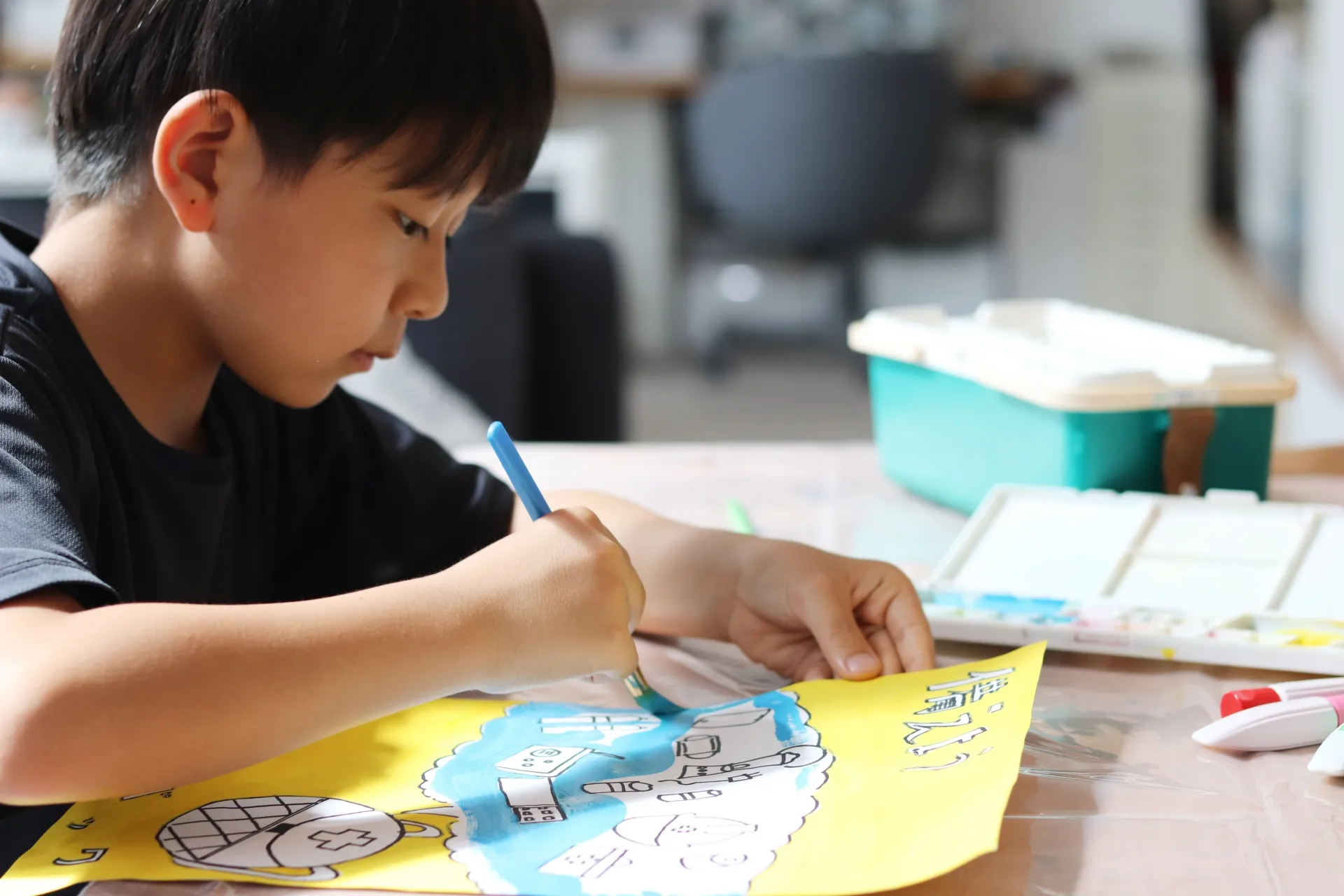
Balancing Outings and Home Days
Utilizing After-School and Welfare Services
Share this article
Related Articles

【For Individuals with Difficulty Regulating Body Temperature】 Be Cautious This Summer! What Are the Heatstroke Prevention Methods You Can Start Now?

【Comprehensive Guide】A Strong Ally for Families with Children with Disabilities: An Easy-to-Understand Introduction to Local Support Systems!

What is an Inclusive Playground? Top 10 Inclusive Playgrounds Everyone Can Enjoy!

【Latest in 2026】Heatstroke Prevention for Wheelchair Users! Outing Tips and Recommended Handy Gadgets

Watching the Asian Para Games in a Wheelchair | Complete Barrier-Free Travel Guide to Aichi

What Changes Will the Revision of the Medical Care Child Support Law Bring? Implementation in April 2027 | Explanation of the "18-Year Barrier" and Expansion of Eligibility