

Have you ever heard the term "welfare evacuation center"?
When a disaster occurs, many people evacuate to predetermined "general evacuation centers," such as nearby schools or community centers. However, for individuals who use wheelchairs, general evacuation centers can pose many challenges, such as gyms with many steps, narrow and crowded hallways, and difficult-to-use restrooms. As a result, many may hesitate to go to evacuation centers altogether.
To provide a safe and comfortable evacuation experience for such individuals, "welfare evacuation centers" are established. However, some people may not be familiar with their existence or how to use them.
In this article, we will clearly explain what welfare evacuation centers are and how to utilize them.
What is a Welfare Evacuation Center? Differences from General Evacuation Centers
What exactly is a welfare evacuation center? According to materials from the Cabinet Office, it is defined as "an evacuation center equipped with a system that allows vulnerable individuals (such as the elderly and disabled) to live safely." Welfare evacuation centers have specific eligibility criteria, meaning they are not open for anyone to use.
『要援護者(高齢者、障害者等)が安心して生活ができる体制を整備…(中略)…した避難所である』
引用元:福祉避難所について|内閣府
On the other hand, general evacuation centers are facilities aimed at the entire local population, often designated as school gyms or community centers, which may not be fully equipped for barrier-free access or necessary facilities.
Who is Eligible?
Individuals eligible for welfare evacuation centers include those who may face difficulties in living at general evacuation centers or require special considerations, along with their families.
Specifically, this includes the elderly, disabled individuals, pregnant women, infants and their families, and those with health conditions.
Is it a Misunderstanding that "You Can Go to a Welfare Evacuation Center Immediately After a Disaster?"
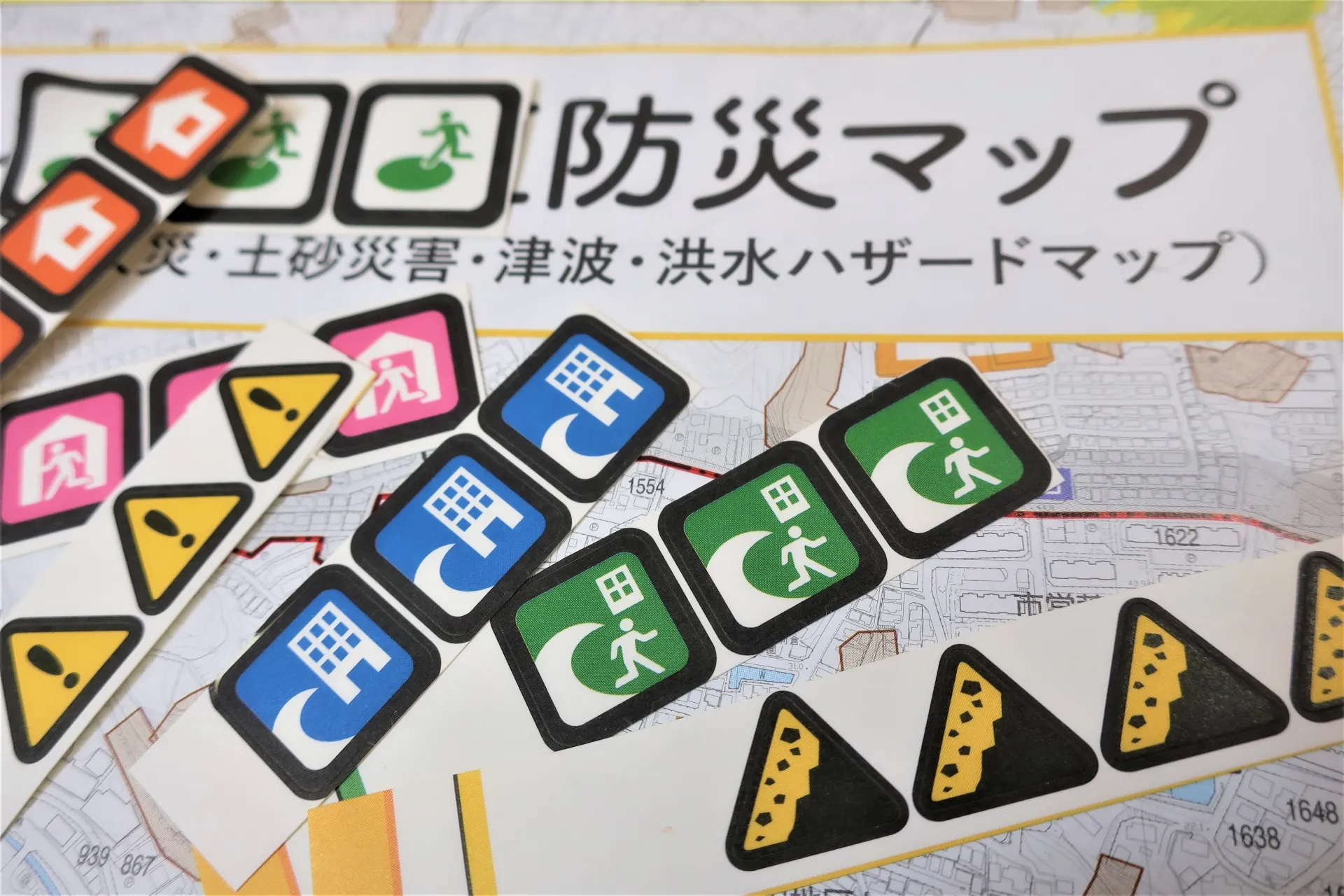
When a disaster strikes, anyone can be overwhelmed with immense anxiety. Depending on the situation, even going to a general evacuation center can be challenging. In such circumstances, is it possible to go directly to a welfare evacuation center??
First, Evacuating to a General Evacuation Center is the Basic Procedure
When a disaster occurs, evacuation centers are established at local disaster prevention hubs, such as schools and community centers. The general procedure is to evacuate there first.
Even if welfare evacuation centers are established afterward, it is generally expected that individuals will move from the general evacuation center on their own or with their families. However, since the support systems for transportation differ by municipality, it is advisable to check the arrangements of your local municipality in advance.
The Timing of Establishing Welfare Evacuation Centers Varies by Municipality
Welfare evacuation centers are not necessarily established a few days after a disaster. There may be cases where welfare evacuation centers are established later, or where general evacuation spaces and welfare evacuation spaces are separated within designated evacuation centers. It is important to understand that "the operation may differ by municipality."
According to a contribution by a Cabinet Office official,
It states.『 ある小学校が指定避難所でかつ福祉避難所として指定されていた場合、体育館など一般避難者の避難スペース(以下「一般避難スペス」という)があるということになります。このケースでは、その教室は「福祉避難所」ですが、小学校という施設として見るとこの教室は「福祉避難スペース」です。』
引用元:福祉避難所について(川上一郎 内閣府政策統括官(防災担当)付参事官(被災者行政担当)(当時))(月刊ノーマライゼーション2017年9月号)│DINF
Welfare Evacuation Centers Are Not Guaranteed to Be Available
Now, while welfare evacuation centers are intended for "individuals who may face difficulties in living at general evacuation centers or require special considerations, along with their families," being eligible does not guarantee access.
Welfare evacuation centers are not necessarily established, and even if they are established, the capacity and facilities can vary by location. Furthermore, professionals (such as public health nurses) will assess the individual's situation and whether they have been certified as needing care, and if it is determined that living in a general evacuation center is difficult, they can move to a welfare evacuation center.
To receive appropriate support in an emergency, it is advisable to regularly check your municipality's disaster prevention plan and, if necessary, consult with professionals such as public health nurses in advance.
Preparedness You Can Start Today
What can you do to prepare for emergencies? Are you aware that there are systems you might want to register for now, just in case?
Pre-registration for the List of Individuals Requiring Evacuation Support
With the revision of the Disaster Countermeasures Basic Act in 2013, municipalities are required to create a list of individuals requiring evacuation support. It is recommended to register in advance to facilitate receiving support in the event of a disaster. Note that registration on the list does not guarantee assistance.
Since the registration conditions and application
Share this article
Share This Article
Related Articles
Related Articles

What Changes Will the Revision of the Medical Care Child Support Law Bring? Implementation in April 2027 | Explanation of the "18-Year Barrier" and Expansion of Eligibility
The Medical Care Child Support Act has been revised and will be enacted on April 1, 2027. The scope of support has expanded to include individuals aged 18 and older, as well as those with severe physical and intellectual disabilities, marking a shift in the system regarding the "18-year-old barrier." This article will clarify what changes are being made and when they will take effect.

What is a Help Mark? Intended Users, Purpose, and Necessary Assistance
What is the Help Mark? A clear explanation of who it's for, how to obtain it, and where to attach it. This guide compiles essential knowledge for individuals with invisible disabilities or illnesses to go out with peace of mind.

Tourism Agency Subsidies: Types and Timing of Barrier-Free Accommodations [Latest Edition]
This article explains the subsidies from the Japan Tourism Agency that can be used for making accommodations more accessible. It covers the eligibility requirements for ryokans, hotels, and simple lodgings, as well as the subsidy rates, maximum amounts, application periods, and important points to note during the application process. Additionally, it introduces municipal subsidies and renovation examples that can be checked now.

Three Preparedness Steps for Wheelchair Users Living Alone for Emergency Toileting Situations
The number one concern during a disaster is "toilets." This is especially true for individuals who use wheelchairs, as they face numerous challenges. Here, we have compiled measures that can be taken now to avoid panic when a disaster strikes.

7 Questions to Ask Over the Phone Before Staying at a Wheelchair-Accessible Hotel
Here are seven questions to ask over the phone before staying at an accessible hotel in a wheelchair. These include inquiries about steps, bed height, space for attaching a wheelchair, handrails, bathrooms, and assistance equipment. We explain the points to confirm both before and after booking, along with practical ways to ask these questions over the phone.

Watching the Asian Para Games in a Wheelchair | Complete Barrier-Free Travel Guide to Aichi
For those attending the 5th Asian Para Games in a wheelchair, here's a guide to a barrier-free trip in Aichi and Nagoya. It covers applying for wheelchair-accessible seating, transportation, hotel selection, dining, and tips for the day of the event.