

Searching for a property while using a wheelchair. Are there people who feel lost because they can't find their ideal home? In fact, there is a "unique way of searching" that cannot be reached through general internet searches for wheelchair users.
In this article, we will explain in detail about three to four specific ways to search and the checkpoints for finding a property without failure. If you're struggling with property selection, please refer to this article.
1.Why is it difficult to find "wheelchair-accessible properties"? The current situation of property searching for wheelchair users
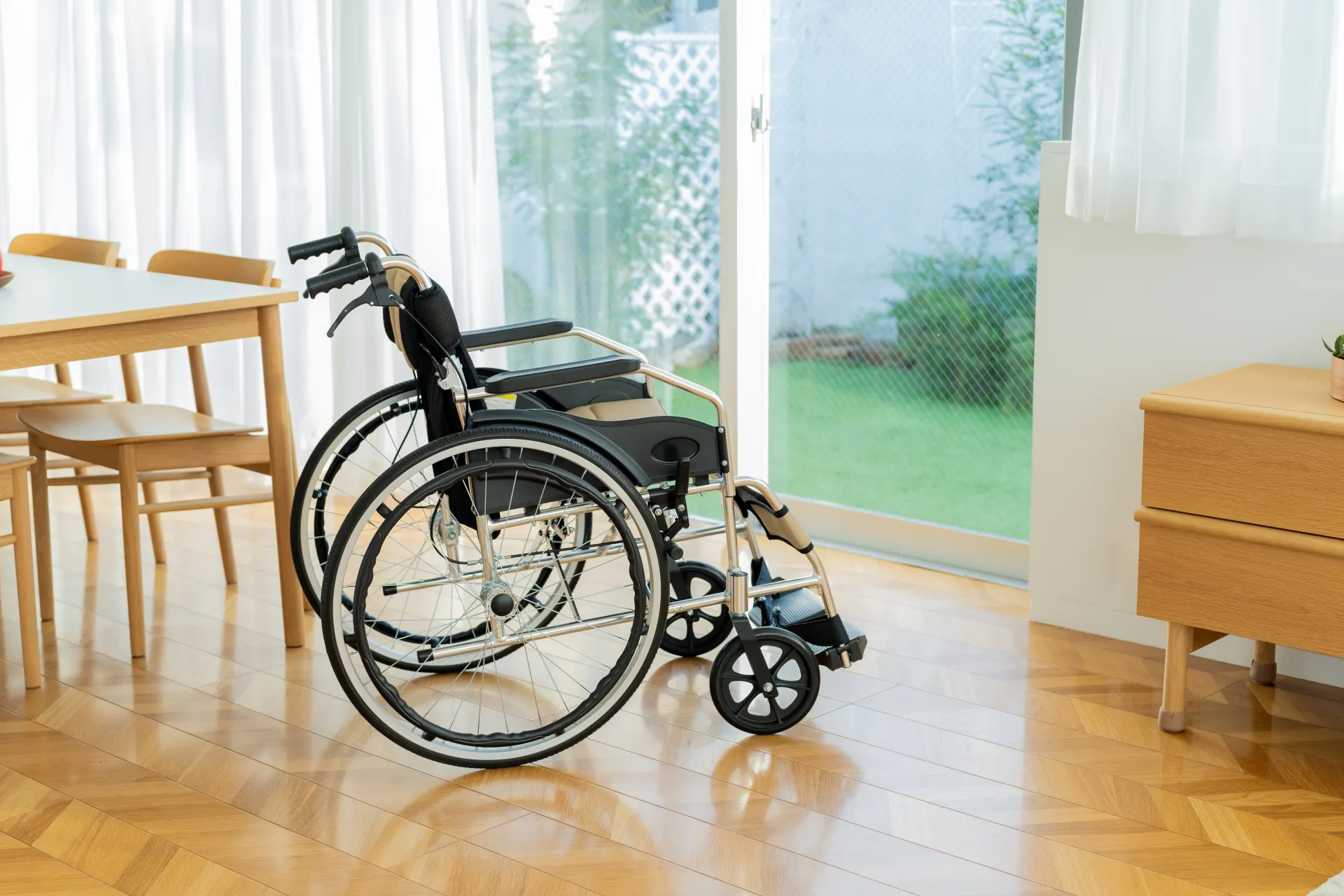
Moreover, it's not just that "such buildings don't exist," but there are cases where the psychological barriers of the owners affect the situation. First, it's necessary to correctly understand these current conditions.
1-1. Limitations of Search Filters
On typical real estate portal sites, there is no mention of "hallway width" or "toilet and bathroom space". However, for wheelchair users, this information is a crucial indicator of whether they can live there.
Furthermore, even if the room is barrier-free, details like the route from the entrance to the room or the height of elevator buttons are often not included, making it undeniable that current search filters have limitations.
1-2. Psychological Barriers of Owners
The most serious issue in property searching for wheelchair users is the "psychological barrier" of owners and management companies. Owners with no experience accommodating people with disabilities may have concerns like "Will the wheelchair damage the floors or walls?" or "Will there be noise issues?" leading them to refuse tenancy. In such cases, it's important to show a commitment to preventing damage or dirt by bringing tire covers, newspapers, or cloths to wipe the tires during viewings. Additionally, communicating specific measures like "I will protect the floors by laying tile carpets or cushion flooring after moving in" can potentially reduce the owner's psychological barriers.
2. How to Find Barrier-Free Properties

Here, we introduce three ways to broaden your property search perspective.
2-1. Check Public Housing by Prefecture
If you're looking for a property with barrier-free facilities while keeping costs down, public housing by prefectures or cities is a strong option. While many buildings are old, there are properties where the interiors have been renovated to be barrier-free.
Compared to private rental properties, monthly rent is cheaper, and there are many barrier-free properties available. The conditions for application vary by region, so if you're interested, contact the housing supply corporation in your area.
2-2. Check the Route to the Station on "Nifty Real Estate"
A popular real estate site among many wheelchair users is "Nifty Real Estate."
Nifty Real Estate offers features like "flat to the station", allowing you to narrow down properties considering ease of going out.
Not only can you get detailed room information, but you can also search with a focus on barrier-free living environments, which is an attractive feature not seen elsewhere.
2-3. Find Heart Barrier-Free Properties on "KURUMAISU"
The notion that "you can't live unless the facilities are perfect" is dispelled by the rental housing search site for people with disabilities, "KURUMAISU."
Even if the facilities are not 100% barrier-free, properties owned by landlords who understand disabilities are introduced as "heart barrier-free properties." They have introduced a unique tool that visualizes the height of steps at entrances and indoors on photos, allowing you to objectively judge whether the steps are acceptable for you or your caregiver before visiting.
参照:KURUMAISU
3. [Preservation Edition] Points to Consider When Searching for Barrier-Free Housing
To prevent the "this isn't what I expected" feeling after moving in, we will summarize and explain the property checkpoints you should know before moving in.
3-1. Outdoor and Common Area Checkpoints
Even if the room itself is barrier-free, unexpected barriers may arise once you step outside. For example, there might be steps at the entrance, or the width and height of elevator buttons may not be suitable.
Additionally, even if the property seems suitable for moving in, there might be no elevator at the nearest station or it could be an unmanned station. You must thoroughly research the surrounding environment, assuming you will actually live there.
3-2. Indoor and Pathway Checkpoints
Even in a flat-structured room, there are often overlooked barriers. For instance, whether the room doors are sliding or hinged can significantly affect ease of living, and attention must be paid to the height of light switches, outlets, and hanger racks.
To prevent noise issues with neighbors, it's also important to check the thickness of the walls and how easily sound travels.
3-3. Water Area Checkpoints
Pay attention to the space in toilets and bathrooms. It's sufficient if there's space to turn your wheelchair, but if not, you must ensure there is enough space and environment to transfer to a shower chair or toilet seat. Additionally, if you plan to use a drum-type washing machine that's easy to use from a wheelchair, make sure there's space for it.
Also, ensure that workspaces like the kitchen are at a height that accommodates your knees Share This ArticleShare this article
![How Much Does It Cost for a Disabled Person to Live Alone? Achieving It Through Pensions, Allowances, and Support Systems [2026 Edition]](/_next/image/?url=https%3A%2F%2Fstorage.googleapis.com%2Fpixseo-1eeef.firebasestorage.app%2Fmedia%2Fimages%2F1772442214609______.webp%3FGoogleAccessId%3Dfirebase-adminsdk-fbsvc%2540pixseo-1eeef.iam.gserviceaccount.com%26Expires%3D16446985200%26Signature%3DmBh9lZn6zuwn5GHNec5r%252BV1f7YBC1YNhTeWLujhJXOIe0W7sH2RWweuAqaLWpcprKKZlxg7SY%252FNoCpSXQnhVvgAaZlYaIxRZoUHz29gHSG1GnsVCFujNZWEwDtFwQJyNuaZgH%252B%252FtWtlV5w9HvldL%252FzwYGDO2IfEEFr%252FyT26gj161OojfBP1LzLYOABZADGhosIyzqVbNTyGMcPzYbyc3gnHB664itj2xY63mmGGvY4QK7crs8acpANeE7XKv0dYOcEmEbTKxmTvlc7Qqk66TsQn2nDpVH%252F%252BU11O03o23xl6Cg6OX1Trcm0a2Slf4RkRBKmWjb2Z%252BINYeEJ2TXr%252FTEg%253D%253D&w=1920&q=85&dpl=dpl_EgVoMZuq94JZT6r5tbRFz8wKAV5c)


